Tropical Marine Ecology & Field Studies
Colombia Field Course
Session 1 March 6-13, 2027
Session 2 March 13-20, 2027
🌊 Explore. Discover. Dive In.
A Field Course Experience Like No Other
Tropical Marine Ecology & Field Studies — Colombia
Spend eight unforgettable days on Colombia’s Caribbean coast studying marine ecology where it happens—in the field.
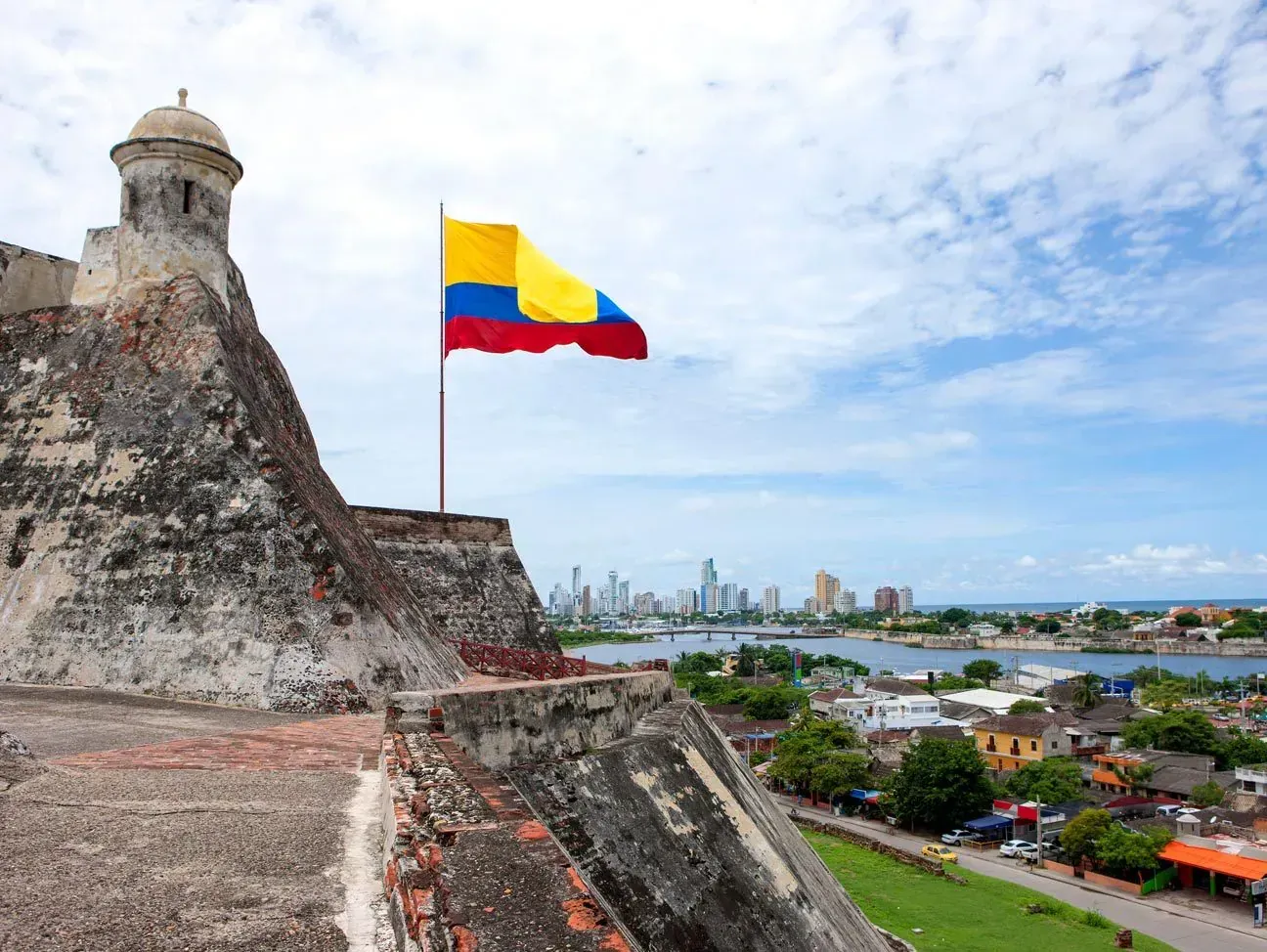
Through field observations, snorkeling and scuba diving, ecological studies, conservation experiences, and faculty-led instruction, students will explore the extraordinary marine and coastal ecosystems surrounding Santa Marta while experiencing the culture and natural beauty of Colombia.
What You’ll Experience
✅
Scuba Dive or Snorkel the Caribbean
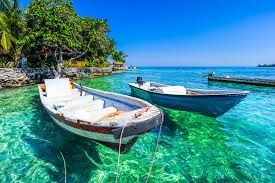
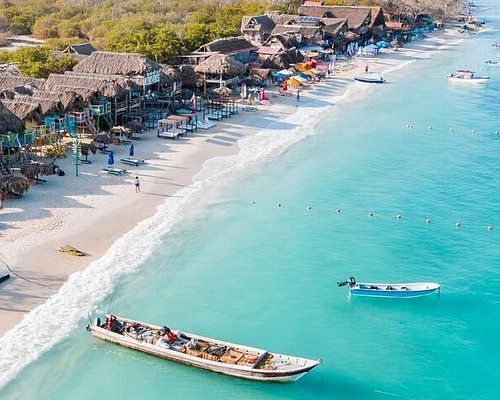
Spend two exhilarating days exploring Colombia’s crystal-clear waters, traveling by powerboat and sailboat to world-class snorkeling and scuba sites.
✅
Study Tropical Marine Ecology in the Field
This isn't marine ecology taught from a textbook. Students learn directly from Moore Marine College faculty through lectures, guided field studies, ecological observations, snorkeling and scuba experiences, and visits to important Caribbean marine and coastal ecosystems. Students connect what they learn in class with the species, habitats, conservation challenges, and research they experience firsthand throughout Colombia.
✅
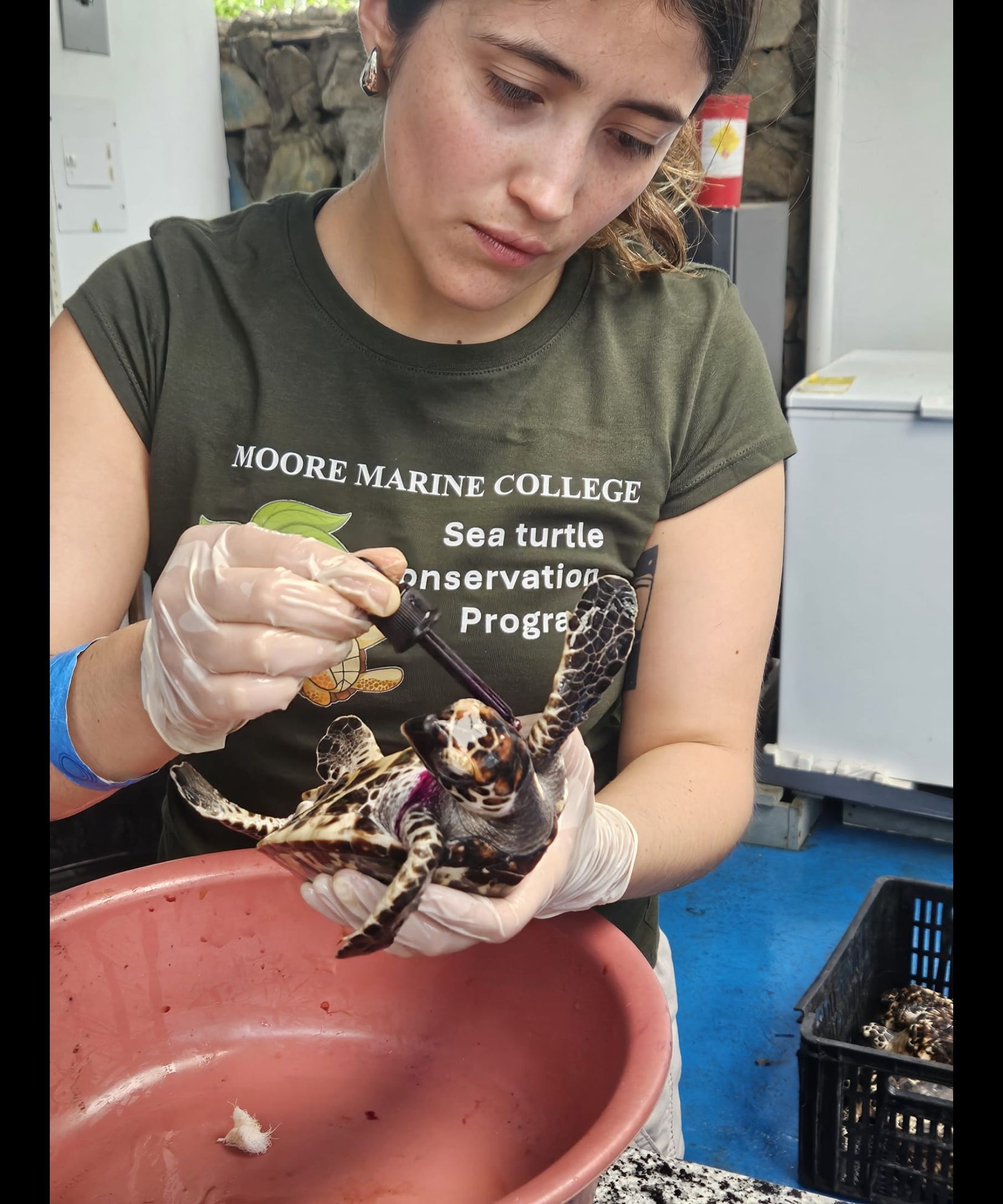
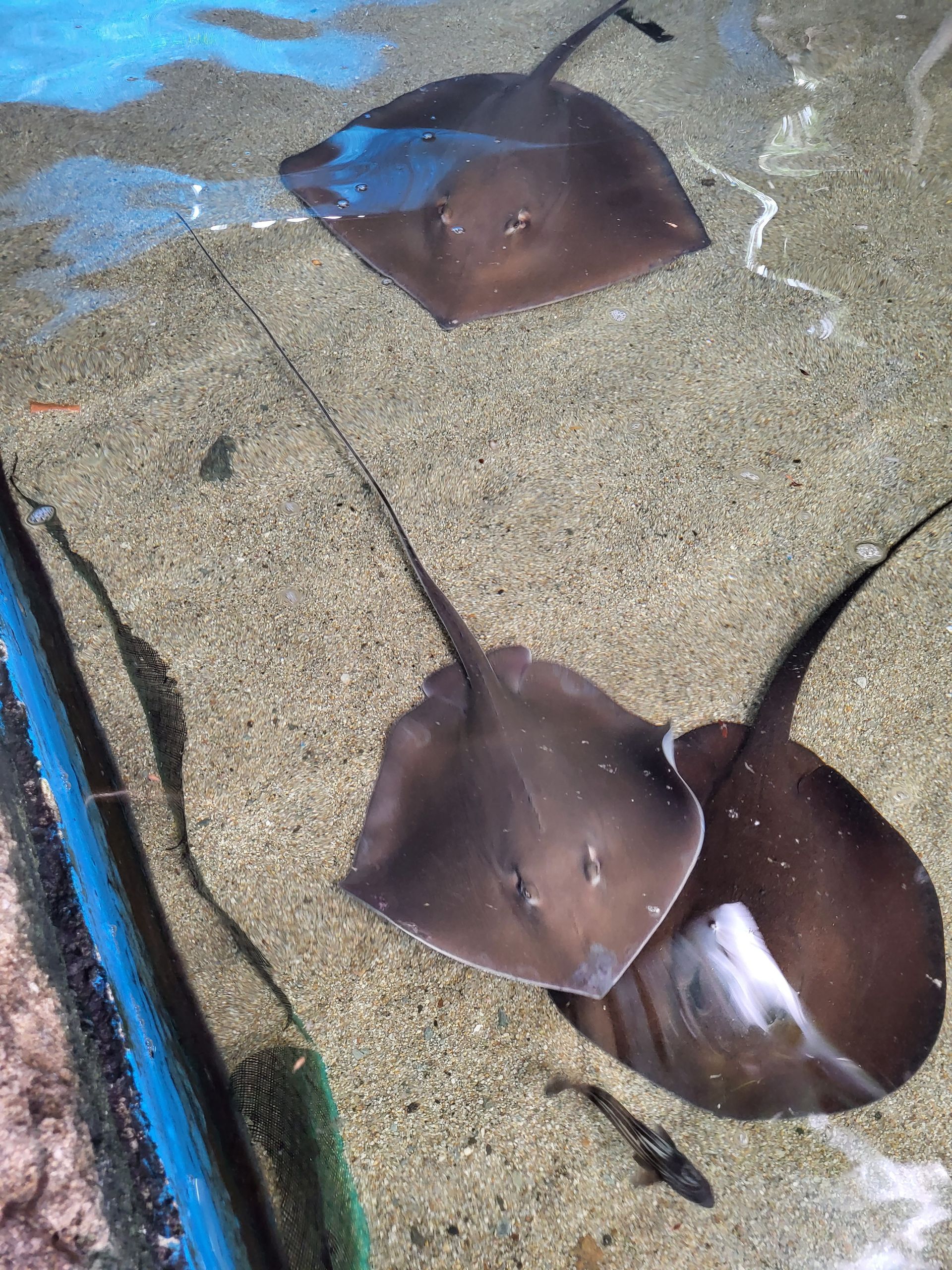
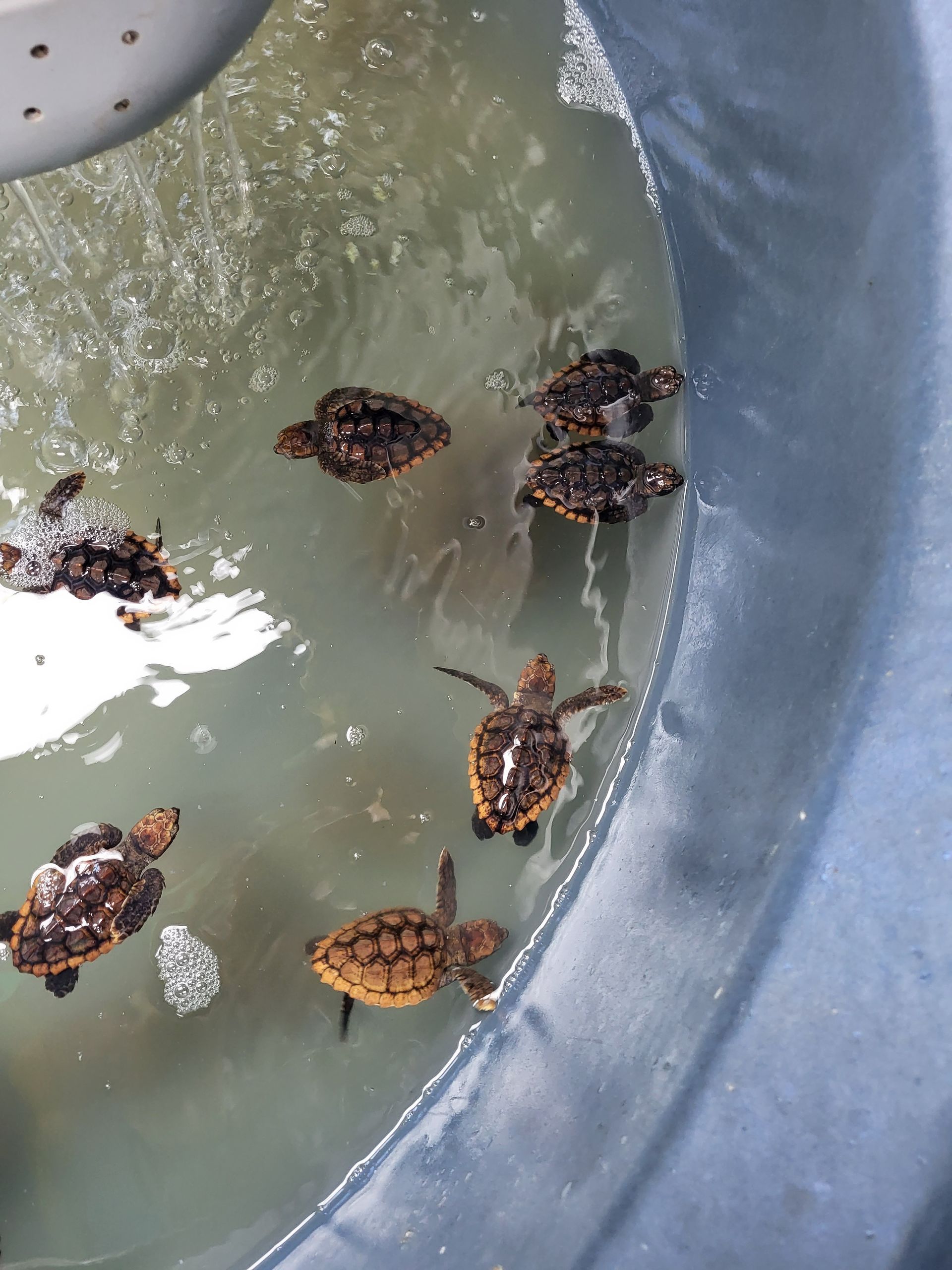
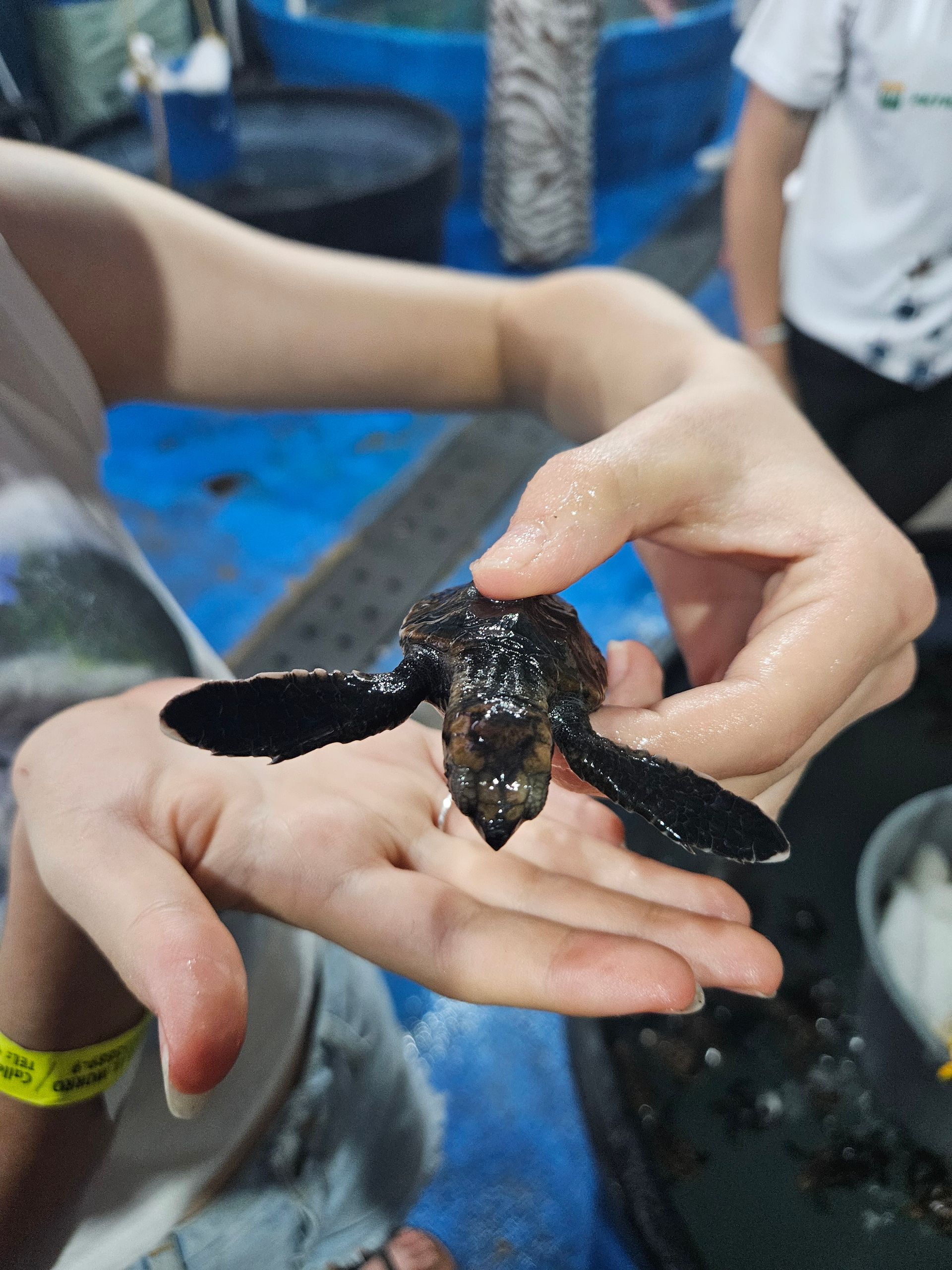
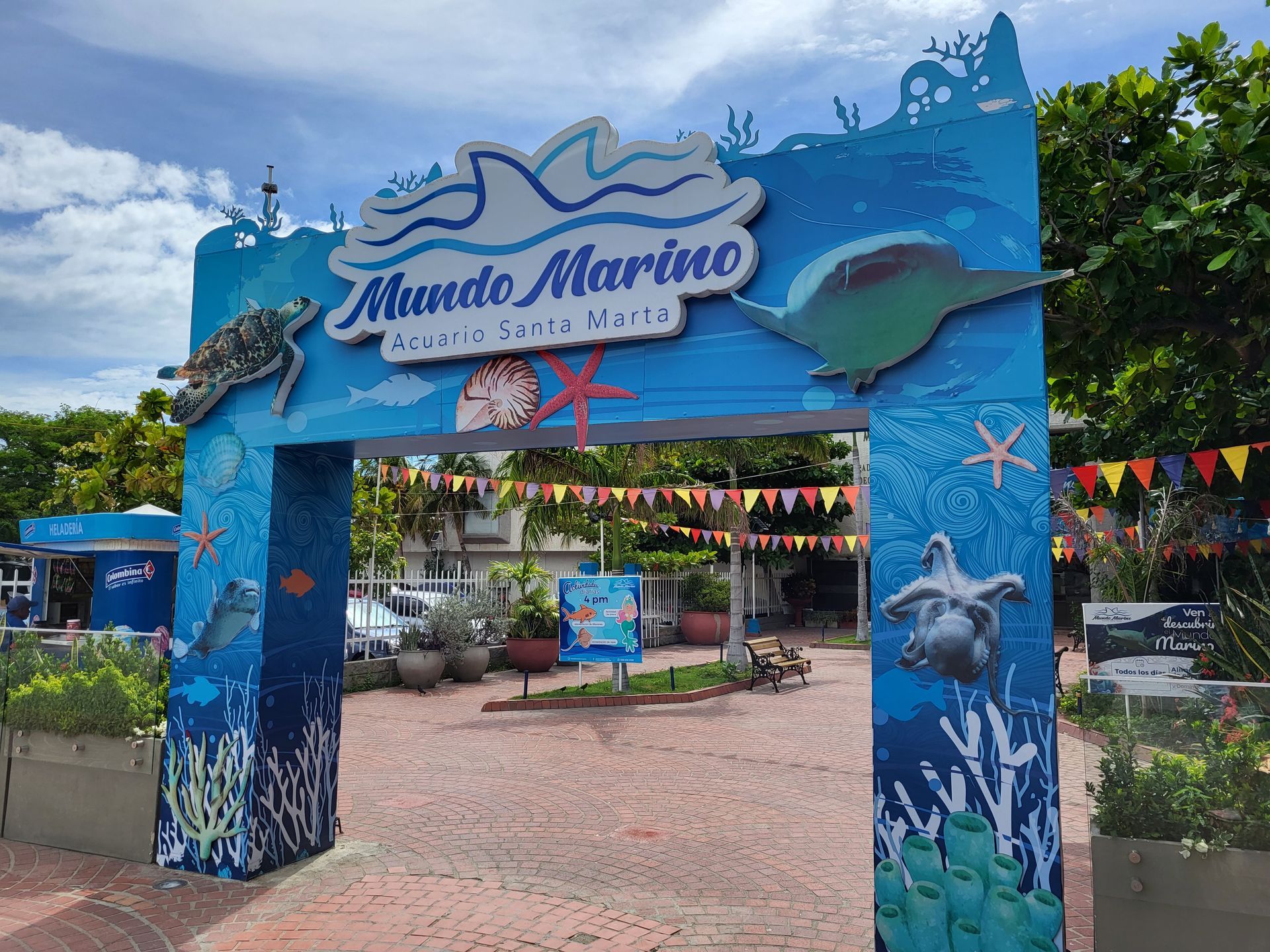
Marine Conservation Study at Mundo Marino Aquarium
Experience conservation in action, including their
head-start sea turtle program, and see sharks, rays, and other marine life up close.
✅
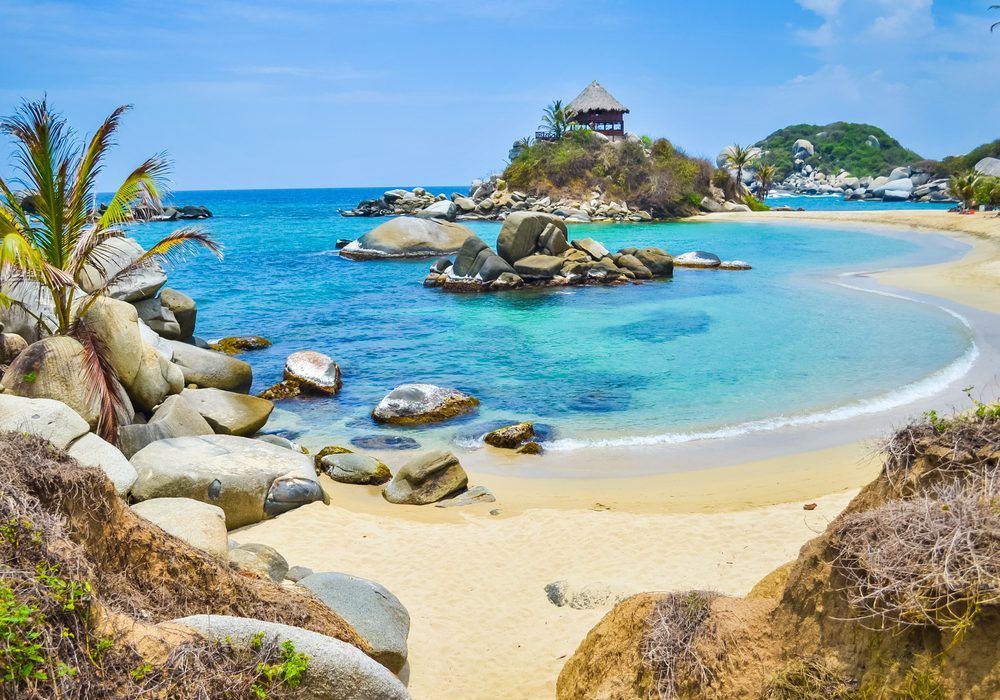
Tidal Pool Studies in Tayrona National Park
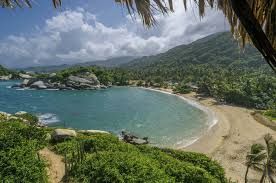
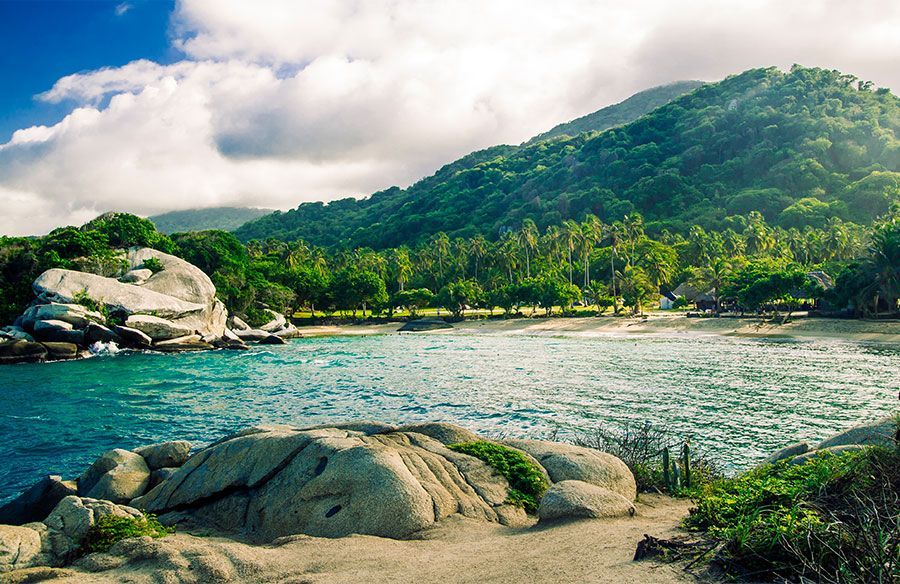
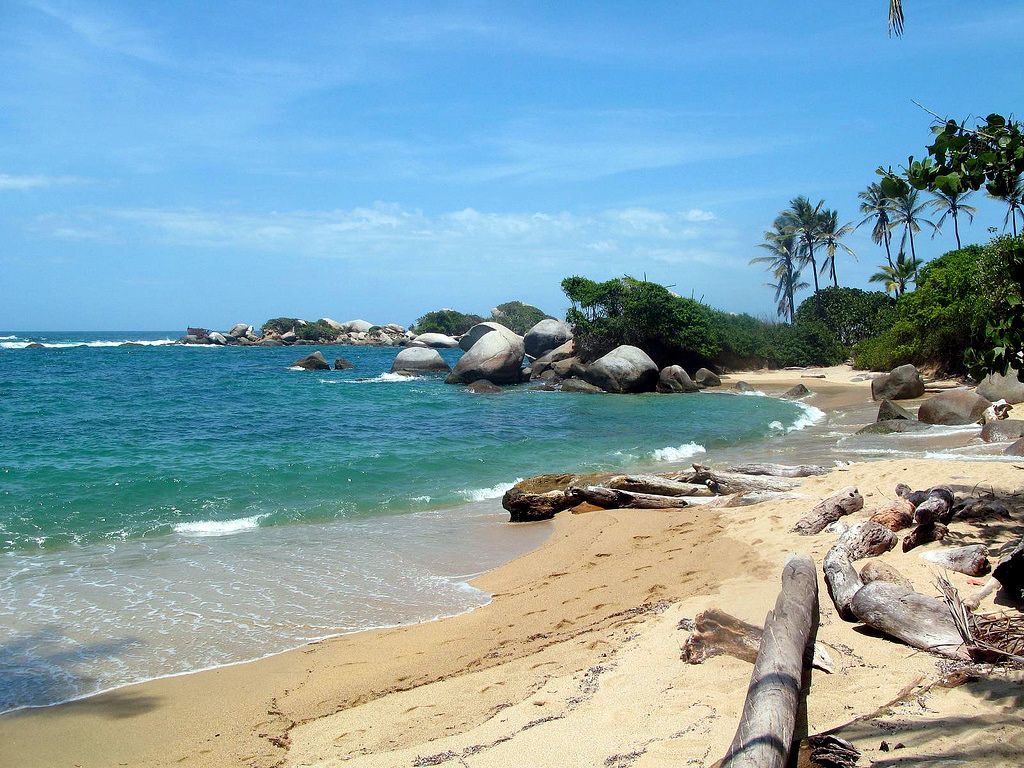
Hike, explore, and observe wildlife—from sloths and monkeys to macaws and corals—in one of South America’s most biodiverse parks.
✅
Take a Mud Bath in the Totumo Volcano
Float effortlessly in a mineral-rich volcanic mud bath—an experience you’ll never forget.
WHAT YOU’LL STUDY
This is more than a trip to Colombia—it’s an opportunity to study tropical marine ecology in the field. Through faculty-led instruction, field observations, snorkeling and scuba experiences, and visits to diverse marine and coastal habitats, students will explore:
Tropical Marine Ecosystems – Explore the ecology and interconnectedness of coral reefs, rocky shores, seagrass communities, and coastal habitats.
Coral Reef Ecology – Examine reef biodiversity, species interactions, ecosystem health, and the environmental pressures facing Caribbean coral reefs.
Marine Biodiversity – Observe and identify tropical fishes, invertebrates, corals, and other marine organisms in their natural environments.
Sea Turtle Biology & Conservation – Learn about sea turtle ecology, conservation challenges, and head-start programs through our visit to Mundo Marino Aquarium.
Marine Conservation & Human Impacts – Explore how tourism, development, pollution, climate change, fishing, and other human activities affect tropical marine ecosystems.
Field Observation & Research Methods – Develop practical skills in ecological observation, species identification, field documentation, and interpreting marine environments.
Throughout the course, students will connect
classroom concepts with real-world observations, using Colombia’s Caribbean coast as their living laboratory.
Why Students Love It (and Parents Can Feel Confident)
- Led by Experienced U.S. Faculty & Staff – Over a decade of international fieldwork experience.
- Limited to 12 Students – A deliberately small class size allows for more individualized instruction, hands-on participation, and closer faculty supervision.
- Fully Structured Trip – Accommodations, transportation, and daily schedules are all handled for you.
- Safety First – Vetted lodging, trusted local partners, and strict safety protocols for all activities.
WHAT’S INCLUDED
7 Nights Lodging – Safe, vetted accommodations in Santa Marta
Program Transportation – Transportation for all scheduled excursions, including boats and vans
Meals – Daily breakfast, welcome dinner, and farewell dinner
Two Days of Caribbean Diving or Snorkeling – Snorkeling equipment included for all participants; scuba equipment included for certified divers
Excursions & Admission Fees – Including Tayrona National Park, Mundo Marino Aquarium, Totumo Volcano, and all scheduled program activities
Faculty-Led Instruction – Lectures, ecological field studies, and hands-on instruction from Moore Marine College faculty
Small-Group Guidance & Supervision – Faculty and staff support throughout the international program
🚫 WHAT’S NOT INCLUDED
International airfare to and from Santa Marta, Colombia
Passport fees (your passport must be valid for at least 6 months after travel)
Optional spending money for souvenirs, snacks, or personal activities during free time
COST & PAYMENT DETAILS
Regular Program Fee: $1,495
CMERA Student & Alumni Rate: $1,295
Save $200 off the regular program fee.
Payment Schedule:
- 💵 $350 deposit due with application
- 💵 Remaining balance due February 1, 2027
Refund Policy:
- Deposits become nonrefundable once you are accepted into the class.
- If the class you are applying for is full, your deposit will be refunded.
- If the class is cancelled by CMERA, your deposit will be refunded.
- Once full payment has been made, no refunds will be issued unless the class is cancelled by CMERA.
- We highly recommend purchasing travel insurance for your protection.
Airfare is not included. Due to fluctuating flight prices from different departure cities, participants will receive flight guidance after CMERA confirms the minimum class requirements are met. Please do not book flights until instructed.
Important Note: While we regularly encounter many of the animals mentioned in this program, they are wild animals and sightings can vary.
Program Details
WHEN: Session 1 March 6-13, 2027 / Session 2 March 13-20, 2027
WHERE: Santa Marta, Colombia
FOCUS:
Tropical Marine Ecology & Field Studies — an immersive, hands-on exploration of Caribbean marine ecosystems, biodiversity, conservation, and field research.
🔥
Limited Availability – Act Fast!
There are
only 12 spots in this class.