Field-Based Marine Research. Real Experience. Ethical Science.
The Coastal Marine Education and Research Academy (CMERA) is a hands-on marine research program focused on sharks and rays in the Gulf of Mexico.
Our Beginning
CMERA was founded to give students and aspiring marine scientists the opportunity to work directly in the field, handling live animals and participating in real, ongoing marine research.
Many students choose a major in biology or marine science without ever experiencing what field research actually involves. CMERA was created to change that.
Our programs are 100% hands-on, with participants working on boats, deploying research gear, handling sharks and rays, collecting data, and learning ethical research methods in real-world conditions. This experience helps participants determine whether marine science is the right path for them — before committing to graduate school or a career.
Over the years, CMERA has helped students:
- Clarify career and graduate school goals
- Gain acceptance into competitive internships and graduate programs
- Develop confidence and practical research skills outside the classroom
What Sets CMERA Apart
- Field-first education: Participants are on the water conducting research, not observing from the sidelines
- Ethical, non-lethal research methods focused on shark and ray conservation
- Experienced leadership with decades of combined field, research, and boating experience
- Proven outcomes: CMERA alumni have gone on to internships, graduate programs, and careers in marine science
Our Philosophy and Approach
CMERA is built on the belief that meaningful marine science education must take place in the field, working directly within the ecosystems being studied. Our approach emphasizes hands-on research, ethical animal handling, and direct observation of marine organisms in their natural environment.
Participants gain practical field research experience by learning how to safely handle marine animals, identify local species, collect and record data, and assist with research activities focused on coastal ecosystems. Fieldwork centers on sharks and rays, while also providing exposure to a wide range of marine life including crabs, starfish, and coastal fish species. Participants also regularly observe sea turtles, dolphins, manatees, and other wildlife in their natural habitat.
This immersive, field-based approach helps participants develop a deeper understanding of marine organisms, their anatomy, behavior, and ecological roles—knowledge that cannot be fully gained through classroom or laboratory study alone.
While laboratory work is essential to scientific research, CMERA believes that to truly understand an organism or ecosystem, researchers must spend time working directly in the environment where it exists. Our programs are designed to complement traditional academic learning by providing real-world experience that informs future research, graduate study, and professional work in the natural sciences.
CMERA programs are open to students, graduates, and non-students alike, and no prior field research experience is required. Training and supervision are provided, and participants may attend for one or multiple weeks depending on their interests and goals.
CMERA programs are led by experienced marine scientists, educators, and professional boat captains who are actively involved in field research, education, and conservation. Our team is committed to providing a safe, ethical, and educational research experience for every participant.
Meet The Team
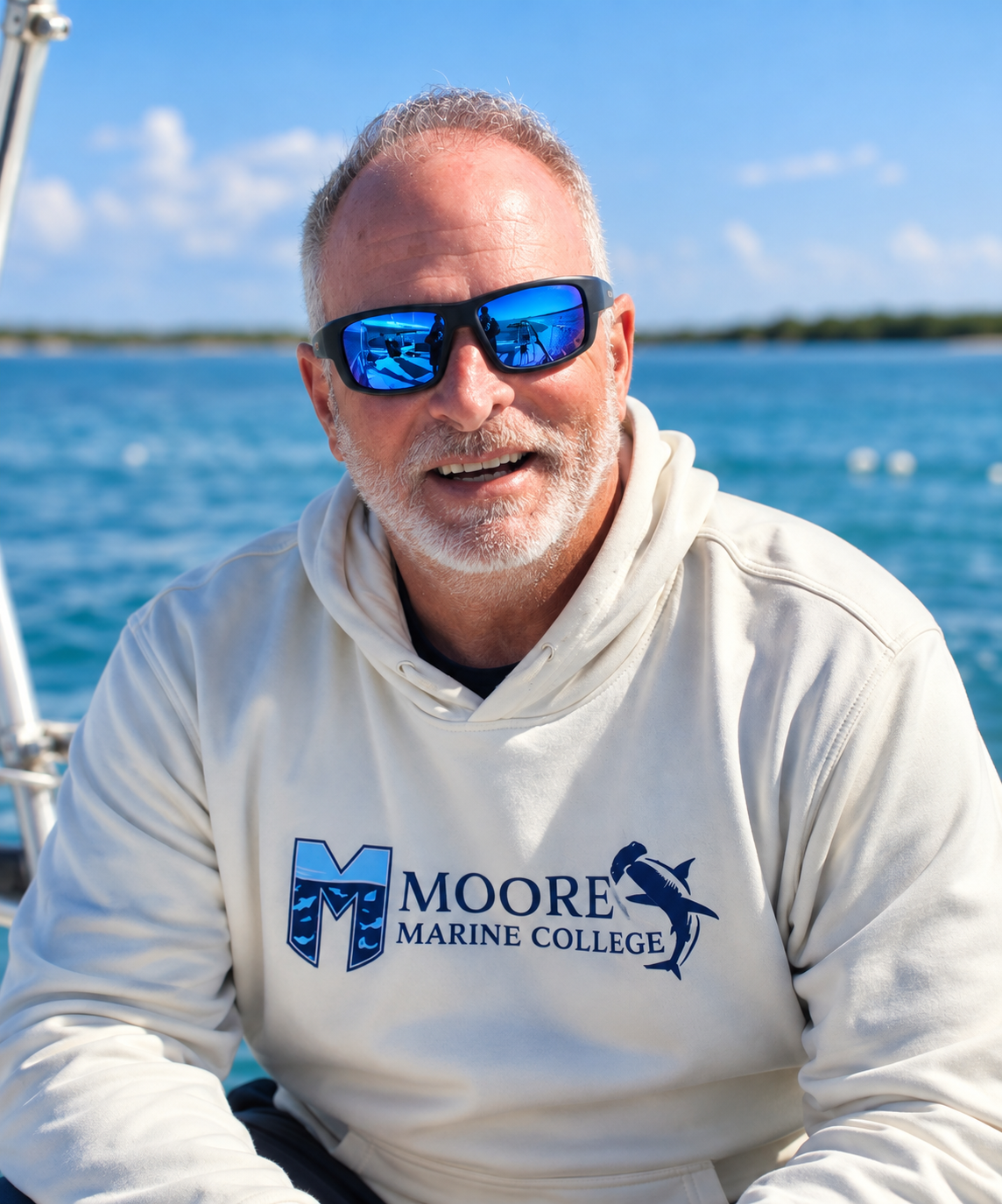
Alan Moore - President
Alan is the CMERA President. He develops new programs and opportunities to constantly update and improve the learning experience at CMERA. Alan is also the president of Moore Marine College, a new 4yr private college located in Clearwater, FL dedicated to marine studies with bachelor's and master's degrees in marine biology. He is a United States Coast Guard licensed masters boat captain and has over fifteen years of experience in field research, handling and tagging animals, and species identification. He previously owned and operated a scuba diving charter company and he also has numerous years of experience in law enforcement with the federal government. You can contact Alan at alan@cmera.net
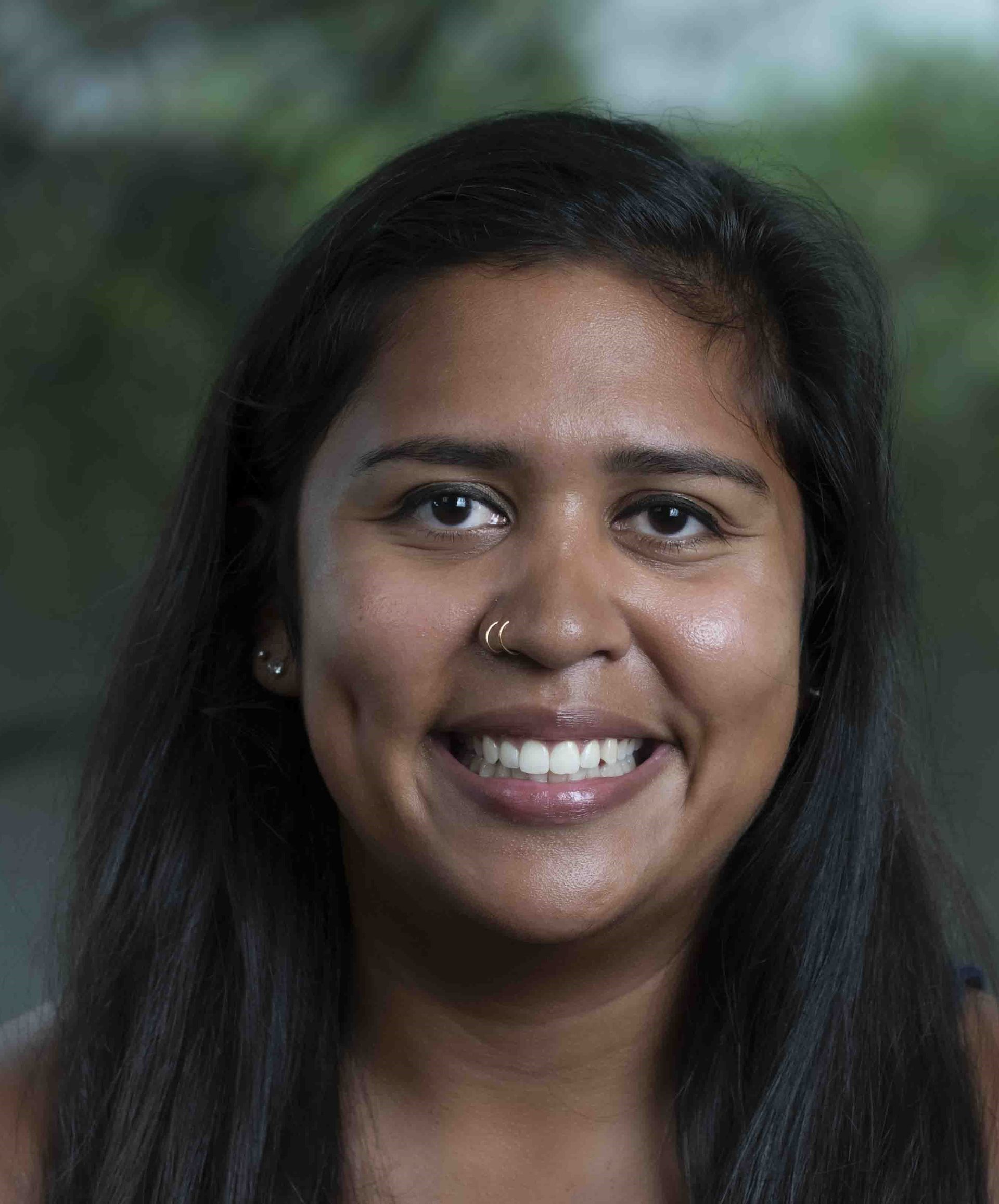
Dr. Cara Estes - Professor
Dr. Estes earned her Ph.D. in Biological Oceanography from the College of Marine Science at the University of South Florida. While at the College of Marine Science, Cara worked on research involving coral reef ecology in the Florida Keys. She used multidecadal time-series data to analyze changes among coral cover and reef-fish assemblages since the creation of the Florida Keys National Marine Sanctuary. During her career, she has worked within the NASA DEVELOP program at the Marshall Space Flight Center using remote sensing applications to monitor drought conditions in the Southeast United States. She has also worked as a Reef Fish Survey team member with NOAA Fisheries to analyze reef-fish assemblages in the northeast Gulf of Mexico. She has spent hundreds of hours on various research cruises in the Atlantic and Gulf of Mexico and is ready to spend hundreds more. Her interests and expertise are in coral reef biodiversity, satellite oceanography and remote sensing, science communication, and ocean policy.
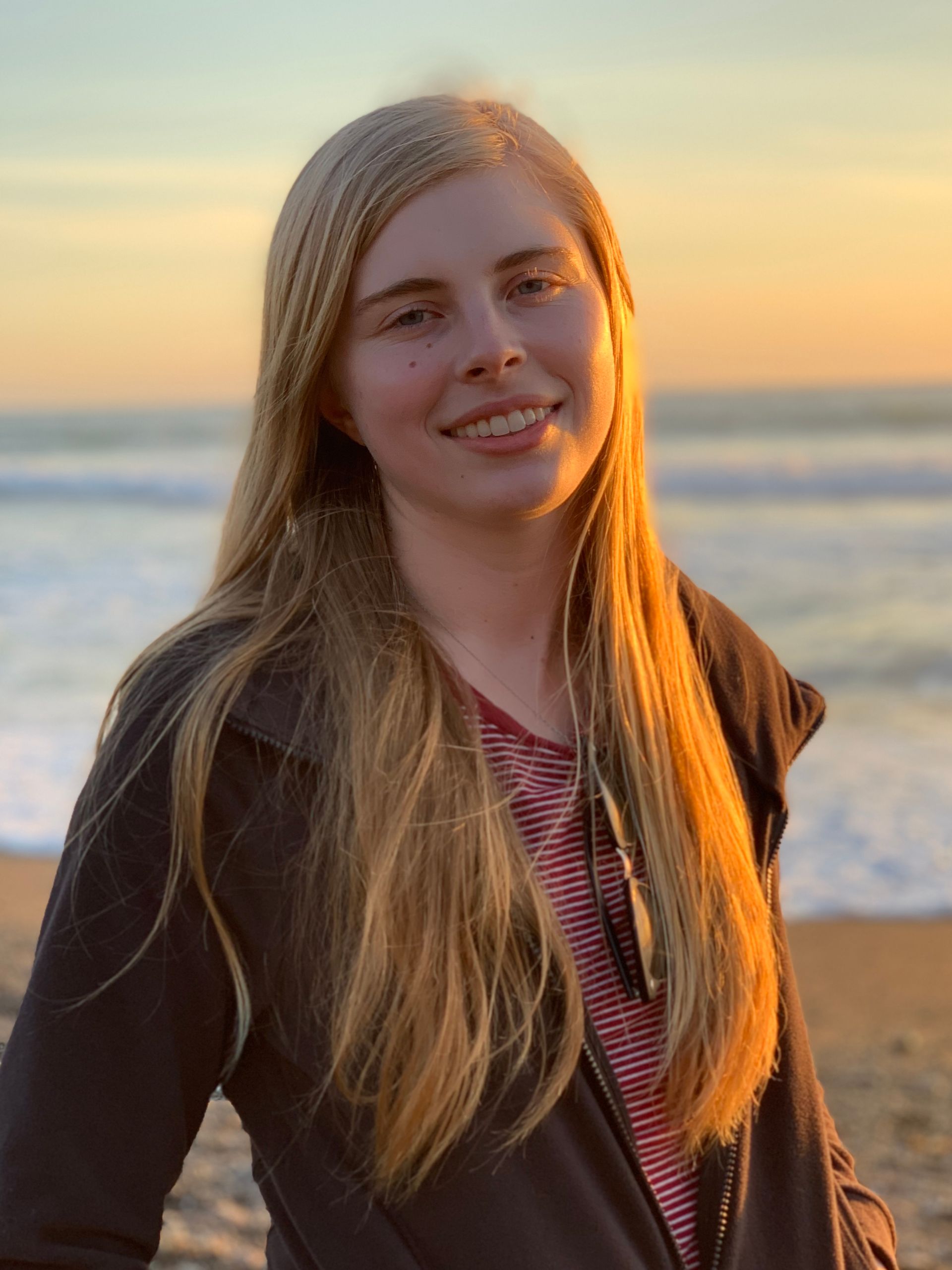
Taylor Langdon - Professor
I was born and raised in central California, but I have always had a love for the ocean. I knew from a young age that I wanted to discover more about animals and the diverse environments around us. After getting my master’s degree in biology, I knew I had to find a way to be on the water and make it happen which brought me to Florida! It has been an adventure living in a new environment and being out on the water so much. I also have a passion for travel and love to visit places all over the world while photographing everywhere I’ve been!
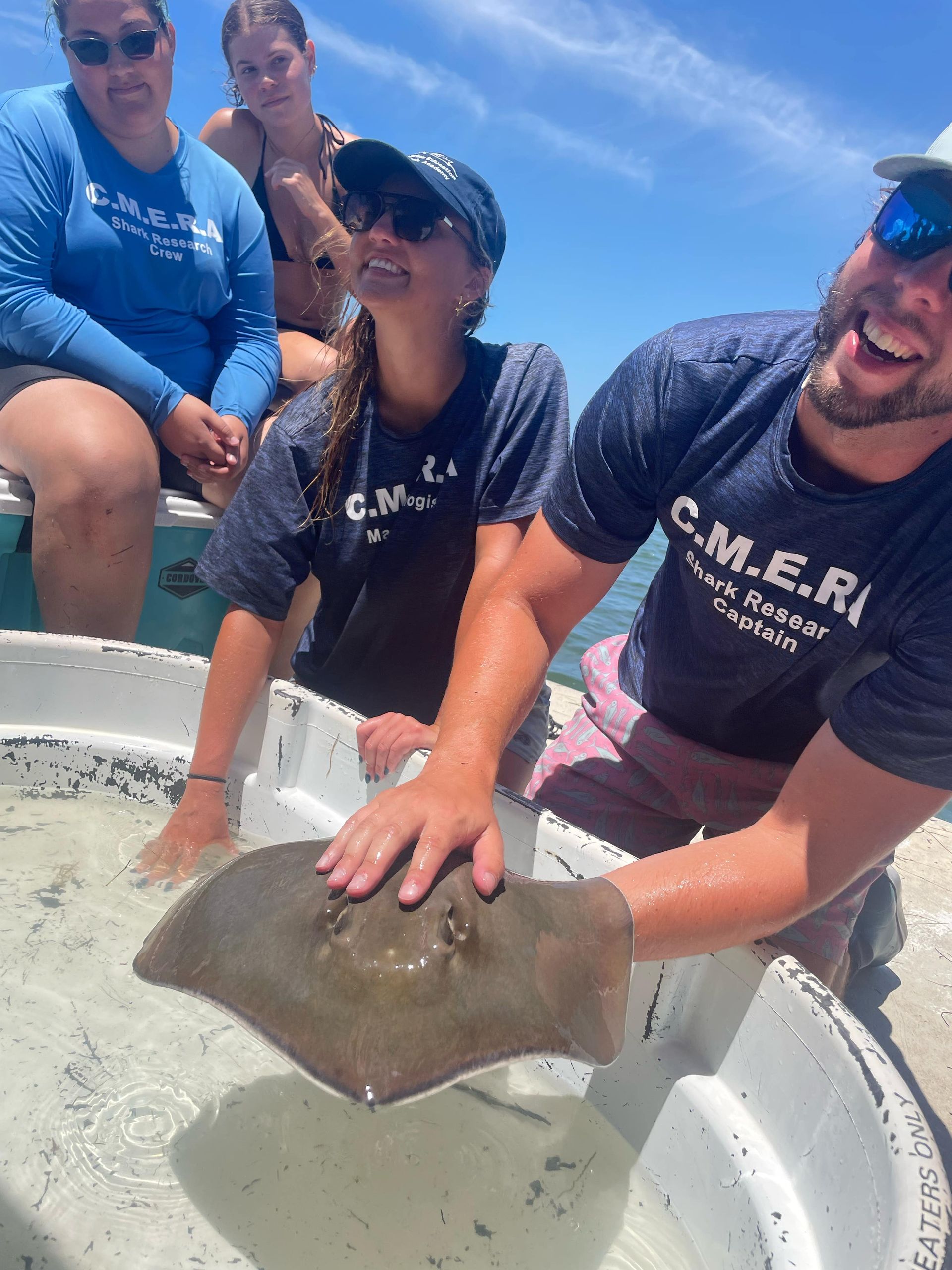
Christian Swanner - Boat Captain / Professor
Christian is from Carrollton, GA where he graduated from the University of West Georgia with a master's degree in biology. He is currently a professor teaching at UWG. Christian played baseball and basketball for most of his life and continues to play these sports with his friends for fun. When he's not working or playing sports, he spends most of his time fishing or hunting, which is where his love for nature and animals comes from.

Paige Cram - Lead Field Research Specialist
Paige Cram, hails from Michigan and is currently a student at the Moore Marine College finishing her degree in marine biology. Paige is a certified lifeguard and was a middle school swim coach for several years. She loves to be in the water. Outside of work Paige enjoys watching scary movies and spending time with her family/ friends.